# Melasma vs. Post-Inflammatory Hyperpigmentation: Causes, Treatment Options, and How to Protect Your Skin
<p>Dark patches, uneven skin tone, and lingering marks can develop for several reasons. Two common causes of discoloration are melasma and post-inflammatory hyperpigmentation (PIH). Although they may appear similar, they have different triggers, patterns, and treatment considerations. Understanding the difference matters because a procedure or product that helps one type of pigmentation may irritate another condition or make discoloration more noticeable.</p>
<p>For people researching skin-care treatments in Tampa Bay, the distinction is particularly relevant. Regular sun exposure can contribute to persistent pigmentation, while heat, skin irritation, acne, and certain cosmetic procedures may also affect the appearance of dark spots. Before considering a chemical peel, laser treatment, or other cosmetic service, it is important to understand what may be causing the discoloration.</p>
<p>This guide explains how melasma differs from post-inflammatory hyperpigmentation, what can contribute to each condition, which treatment approaches may be considered, and what questions to ask before pursuing an in-office procedure.</p>
<h2>What Is Melasma?</h2>
<p>Melasma is a chronic pigmentary skin condition that usually appears as brown, gray-brown, or darker patches. It most commonly affects the face, particularly the cheeks, forehead, upper lip, and bridge of the nose. The patches often appear on both sides of the face in a relatively symmetrical pattern.</p>
<p>Melasma develops when pigment-producing cells called melanocytes produce excess melanin. Its causes are multifactorial. Sunlight, visible light, hormonal influences, genetic susceptibility, and other biological factors can contribute to its development. Pregnancy and hormonal medications, including some forms of hormonal contraception, are recognized associations.</p>
<p>Melasma is not an infection and is not considered skin cancer. However, other skin conditions can resemble it. A new or changing pigmented area should not automatically be assumed to be melasma, especially when it has an unusual shape, changes over time, bleeds, or develops other concerning features.</p>
<p>Melasma can be persistent and may return after improvement. Sun exposure can make existing patches darker, which is one reason long-term protection is an important part of managing the condition.</p>
<h2>What Is Post-Inflammatory Hyperpigmentation?</h2>
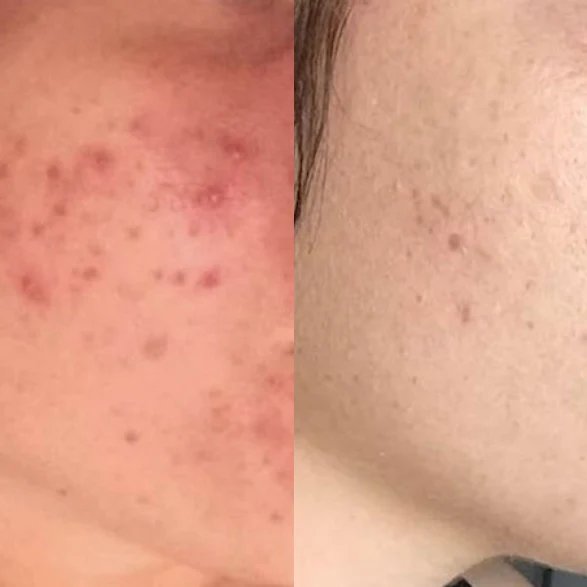
<p>Post-inflammatory hyperpigmentation occurs when the skin produces or retains extra pigment after inflammation or injury. It commonly develops after acne, eczema, dermatitis, insect bites, burns, cuts, or irritation caused by skin-care products and cosmetic treatments.</p>
<p>Unlike melasma, PIH usually appears where the original inflammation or injury occurred. For example, a dark mark left behind after an acne blemish is a familiar form of post-inflammatory hyperpigmentation. The discoloration may be light brown, dark brown, gray, or nearly black, depending on the depth and amount of pigment involved.</p>
<p>PIH can affect people of all skin tones, but it is often more noticeable and may last longer in people with darker skin. The underlying inflammation may have already settled, yet the discoloration can remain for months or longer.</p>
<p>Addressing the original trigger is important. If acne, eczema, or irritation continues, new marks may develop even while older areas are fading. Aggressive scrubbing, picking at blemishes, or using irritating products can prolong inflammation and contribute to additional discoloration.</p>
<h2>Melasma vs. Post-Inflammatory Hyperpigmentation: Key Differences</h2>
<p>The two conditions can overlap in appearance, but several characteristics may help explain why they are not interchangeable.</p>
<table>
<thead>
<tr>
<th>Feature</th>
<th>Melasma</th>
<th>Post-Inflammatory Hyperpigmentation</th>
</tr>
</thead>
<tbody>
<tr>
<td>Common trigger</td>
<td>Combination of sunlight, visible light, hormonal influences, and genetic factors</td>
<td>Inflammation or injury, such as acne, dermatitis, burns, or irritation</td>
</tr>
<tr>
<td>Typical appearance</td>
<td>Flat brown or gray-brown patches, often symmetrical</td>
<td>Flat dark marks or patches that appear where inflammation occurred</td>
</tr>
<tr>
<td>Common locations</td>
<td>Cheeks, forehead, upper lip, and other facial areas</td>
<td>Any area affected by the original inflammation or injury</td>
</tr>
<tr>
<td>Course</td>
<td>Often chronic and prone to recurrence</td>
<td>May gradually fade, although deeper or persistent pigmentation can last much longer</td>
</tr>
<tr>
<td>Important management consideration</td>
<td>Long-term light protection and individualized treatment</td>
<td>Control the original inflammatory trigger and reduce further irritation</td>
</tr>
</tbody>
</table>
<p>These are general patterns, not a diagnostic checklist. A person can have more than one type of pigmentation at the same time. Other conditions, including sun spots and medication-related pigmentation, can also produce dark areas. A clinical assessment is the safest way to determine the likely cause.</p>
<h2>Why Sun Exposure Matters in Tampa Bay</h2>
<p>Sun protection is important for both melasma and post-inflammatory hyperpigmentation. Ultraviolet radiation can darken existing pigmentation and contribute to the development of new discoloration. For melasma, visible light can also play a role, particularly in people with darker skin tones.</p>
<p>In a sunny region such as Tampa Bay, everyday exposure can add up. Driving, walking outdoors, spending time near water, and participating in outdoor activities may expose skin to sunlight even when a person is not deliberately sunbathing. Cloud cover does not eliminate ultraviolet exposure.</p>
<p>A practical protection routine may include:</p>
<ul>
<li><strong>Use broad-spectrum sunscreen:</strong> Choose a water-resistant sunscreen with SPF 30 or higher for exposed skin.</li>
<li><strong>Consider tinted sunscreen:</strong> A tinted formula containing iron oxides may provide additional protection against visible light, which is relevant for melasma.</li>
<li><strong>Reapply when needed:</strong> Reapply sunscreen at least every two hours outdoors, and follow the product directions after swimming, sweating, or towel drying.</li>
<li><strong>Use physical protection:</strong> A wide-brimmed hat, sunglasses, and protective clothing can reduce direct exposure.</li>
<li><strong>Seek shade:</strong> Reduce time in direct sunlight, especially when the sun is strongest.</li>
</ul>
<p>Sunscreen does not instantly remove existing pigmentation. Its role is to reduce further darkening and support other parts of a treatment plan. Consistency is more useful than relying on occasional application.</p>
<h2>How Are Melasma and PIH Diagnosed?</h2>
<p>A dermatologist generally begins by examining the affected areas and asking about when the discoloration started, whether it followed acne or irritation, how it has changed, and whether there are possible hormonal or medication-related factors.</p>
<p>The distribution of the pigment can provide useful clues. Symmetrical patches across the cheeks or forehead may be consistent with melasma, while marks that follow the location of previous acne or inflammation may suggest PIH. However, appearance alone is not always enough to establish the diagnosis.</p>
<p>A dermatologist may use a dermatoscope or Wood's lamp examination to assess the pigmentation. These tools can provide additional information about the skin and the possible depth of pigment. In selected cases, a biopsy or other evaluation may be needed to rule out a different condition.</p>
<p>Professional assessment is particularly important when a spot is new, isolated, irregular, changing, or otherwise different from the surrounding pigmentation. Cosmetic treatment should not be used to cover up an unexplained lesion before it has been evaluated.</p>
<h2>Treatment Options for Melasma</h2>
<p>Melasma management usually involves a combination of light protection, topical treatment, and, in selected cases, procedures. The appropriate approach depends on the individual's skin, medical history, pigmentation pattern, and tolerance of treatment.</p>
<h3>Topical treatments</h3>
<p>Dermatologists may recommend prescription or nonprescription topical ingredients to help reduce excess pigment. Options can include hydroquinone, azelaic acid, retinoids, kojic acid, and other pigment-modulating ingredients. Some prescription regimens combine multiple ingredients.</p>
<p>Hydroquinone-containing products and combination creams require appropriate medical guidance. Incorrect use, excessive duration, or irritation can cause unwanted effects. Retinoids can also irritate the skin, particularly when introduced too quickly or used alongside other strong products.</p>
<h3>Chemical peels</h3>
<p>Selected superficial chemical peels may be considered as part of a melasma treatment plan. They work by applying a controlled chemical solution to the skin to encourage exfoliation. The type of acid, concentration, application time, and treatment schedule all affect the depth and intensity of the peel.</p>
<p>Peels are not suitable for everyone. Excessive irritation or inflammation can worsen pigmentation, especially in people who are prone to post-inflammatory hyperpigmentation. Anyone considering this option should understand the proposed peel depth, possible side effects, expected recovery, and the provider's experience treating similar skin tones.</p>
<p>Learn more about <a href="https://tampamedspafinder.com/chemical-peels">chemical peels and their treatment considerations</a> before comparing services.</p>
<h3>Laser and light-based procedures</h3>
<p>Some laser and light-based treatments may be considered for selected cases of melasma, particularly when other approaches have not provided sufficient improvement. However, these procedures require caution. Heat and inflammation can trigger additional pigmentation, and melasma may recur even after an initial response.</p>
<p>Laser treatment is not automatically the best option for stubborn dark patches. The device, energy settings, skin type, pigment depth, and the clinician's experience all matter. A careful assessment should take place before a procedure is considered.</p>
<p>Anyone researching these treatments can review general information about <a href="https://tampamedspafinder.com/laser-skin-treatments">laser skin treatments</a>, while remembering that educational information does not replace an individual medical assessment.</p>
<h2>Treatment Options for Post-Inflammatory Hyperpigmentation</h2>
<p>For PIH, an important first step is controlling the condition that caused the inflammation. If acne is still active, for example, treating the acne can help reduce the chance of additional marks. If a product is causing irritation, stopping or changing it with appropriate professional guidance may help prevent further inflammation.</p>
<h3>Topical ingredients</h3>
<p>Depending on the cause and skin condition, a clinician may consider ingredients such as azelaic acid, retinoids, vitamin C, niacinamide, or hydroquinone. These products do not work identically, and their suitability depends on the individual's skin and medical history.</p>
<p>Introducing several active ingredients at once can make it difficult to identify the cause of irritation. A gradual, supervised approach is often more practical than combining multiple strong products in an attempt to speed up results.</p>
<h3>Allowing time for gradual fading</h3>
<p>Some cases of PIH improve without an in-office procedure, particularly when the original inflammation has resolved and further irritation is avoided. Pigment closer to the skin surface may fade more readily than pigment located deeper in the skin. Persistent discoloration can take considerably longer to improve.</p>
<h3>Procedures require careful selection</h3>
<p>Chemical peels, lasers, and intense pulsed light may be considered in selected cases, but they can also aggravate pigmentation by irritating or injuring the skin. The risk depends on the procedure, settings, pigment depth, skin tone, and whether the underlying inflammatory condition is controlled.</p>
<p>For people with a history of PIH, a provider should discuss the possibility of worsening discoloration before treatment. A procedure should not be presented as risk-free or as a guaranteed way to remove dark marks.</p>
<h2>Why Skin Tone and Treatment History Matter</h2>
<p>Skin tone is an important consideration when planning treatment for pigmentation. People with more melanin may be more likely to develop noticeable PIH after inflammation or injury. This does not mean that cosmetic procedures are always unsuitable, but it does mean that treatment selection and settings require care.</p>
<p>A provider should ask about previous reactions to peels, lasers, acne treatments, and skin-care products. A history of prolonged dark marks after minor irritation may be relevant when assessing procedural risk.</p>
<p>It is also important to discuss recent tanning, sun exposure, active acne, eczema, cold sores, allergies, medications, and previous procedures. These details can affect whether a treatment should be delayed, modified, or avoided.</p>
<p>When a procedure is appropriate, a qualified clinician may recommend a small test area or a conservative approach. A test spot does not eliminate risk, but it may help assess how the skin responds before a larger area is treated.</p>
<h2>Questions to Ask Before Booking a Pigmentation Treatment</h2>
<p>Before scheduling a cosmetic service for dark spots or uneven skin tone, ask questions that clarify the diagnosis, provider qualifications, treatment plan, and possible complications.</p>
<ul>
<li>What is the likely cause of my pigmentation, and has it been medically assessed?</li>
<li>Are you treating melasma, post-inflammatory hyperpigmentation, or another condition?</li>
<li>What qualifications and training does the person performing the procedure have?</li>
<li>How often do you treat people with my skin tone and pigmentation history?</li>
<li>Could this treatment make my discoloration darker or cause new pigmentation?</li>
<li>What alternatives are available if I do not want a peel or laser procedure?</li>
<li>What preparation and aftercare are required?</li>
<li>How long might recovery take, and what symptoms should prompt medical attention?</li>
<li>What is the plan if the pigmentation worsens or returns?</li>
</ul>
<p>Be cautious of claims that promise permanent removal, guaranteed results, or a specific outcome after one session. Melasma is often recurrent, and PIH can take time to fade. A responsible provider should explain limitations and possible complications as clearly as potential benefits.</p>
<h2>How to Research Skin-Care Providers in Tampa Bay</h2>
<p>When comparing providers, look beyond photographs and promotional descriptions. Check the professional credentials of the person who will assess the skin and perform the treatment. Confirm whether a physician or other appropriately licensed medical professional is involved when medical evaluation or prescription treatment is needed.</p>
<p>Ask whether the provider has experience with the specific pigmentation concern and with different skin tones. Request an explanation of the device or product being used, the reason it was selected, and the alternatives considered. You should also be able to review written preparation and aftercare instructions before agreeing to treatment.</p>
<p>Online ratings and reviews can help identify questions to investigate, but they cannot establish clinical competence or predict an individual's result. A directory can help organize provider information and treatment categories, but it should not replace checking credentials, discussing medical concerns, or making an informed decision.</p>
<p>People comparing local options can use the <a href="https://tampamedspafinder.com/med-spa">Tampa Bay med spa directory</a> as one starting point for researching providers and services. Confirm current offerings, qualifications, and treatment details directly with each practice.</p>
<h2>Common Mistakes That Can Make Dark Spots Worse</h2>
<p>Several habits can prolong discoloration or trigger additional irritation:</p>
<ul>
<li><strong>Picking or squeezing acne:</strong> This can increase inflammation and leave more noticeable marks.</li>
<li><strong>Over-exfoliating:</strong> Frequent use of strong acids, scrubs, or retinoids can damage the skin barrier and contribute to irritation.</li>
<li><strong>Using unverified lightening products:</strong> Products with undisclosed ingredients or inappropriate concentrations may cause harm.</li>
<li><strong>Skipping sun protection:</strong> UV exposure can darken existing marks and contribute to recurrence.</li>
<li><strong>Booking procedures without an assessment:</strong> Treating an incorrectly identified condition may delay appropriate care or worsen the problem.</li>
<li><strong>Expecting immediate results:</strong> Pigmentation often improves gradually, and repeated aggressive treatment is not necessarily better.</li>
</ul>
<p>A simple, consistent skin-care routine is often easier to maintain than a complicated combination of products. If a product causes burning, persistent stinging, swelling, or significant redness, stop using it and seek appropriate advice.</p>
<h2>When to See a Dermatologist Instead of Booking a Cosmetic Treatment</h2>
<p>A dermatologist should assess unexplained pigmentation, particularly when a mark changes in size, shape, or color; has an irregular border; bleeds; forms a sore that does not heal; or looks different from other spots. These features should not be treated as ordinary cosmetic discoloration without evaluation.</p>
<p>Medical assessment is also appropriate when pigmentation develops suddenly, spreads, follows a significant skin reaction, or occurs alongside other symptoms. People with persistent acne, eczema, or recurring irritation may benefit from addressing the underlying condition before considering cosmetic procedures.</p>
<p>Pregnancy, breastfeeding, medication use, and certain medical conditions can affect which topical treatments or procedures are appropriate. A clinician can review these factors and explain safer options.</p>
<h2>Making an Informed Decision About Pigmentation Treatment</h2>
<p>Melasma and post-inflammatory hyperpigmentation can both cause uneven skin tone, but they have different underlying patterns. Melasma is commonly associated with sunlight, visible light, hormonal influences, and genetic factors. PIH develops after inflammation or injury, often leaving dark marks where acne, irritation, or another skin problem occurred.</p>
<p>The most useful first step is identifying the likely cause rather than immediately choosing a cosmetic procedure. Sun protection, gentle skin care, and management of active inflammation can support both conditions. Topical treatments may be considered, while chemical peels and laser-based procedures require careful selection because irritation can make pigmentation worse.</p>
<p>For Tampa Bay residents researching skin-care services, comparing provider qualifications, asking about experience with pigmentation concerns, and understanding treatment risks are essential parts of the decision. An informed approach prioritizes an accurate assessment and realistic expectations over quick-fix promises.</p>
<p><em>Disclaimer: This article is for general educational purposes only and is not medical advice, a diagnosis, or a substitute for consultation with a qualified healthcare professional. Treatment suitability and results vary by individual. Seek a dermatologist's assessment for unexplained, changing, or persistent skin discoloration.</em></p>