<article>
<h1>How to Wash Fleece Clothing: Preventing Matting, Pilling, and Loss of Softness</h1>
<p>Fleece clothing is popular for its lightweight warmth, soft texture, and versatility. It is commonly used in jackets, pullovers, hoodies, blankets, and other everyday garments. Although fleece is generally easy to maintain, repeated washing, friction, and unsuitable drying conditions can affect its surface over time. The fabric may become matted, develop pills, attract lint, or lose some of its original softness.</p>
<p>Learning how to wash fleece properly can help preserve its texture and appearance. The best approach depends on the garment's construction, fiber content, and care instructions. Most washable fleece garments can be cleaned at home, but a few practical precautions can reduce unnecessary wear. Understanding the differences between fleece types, choosing an appropriate wash cycle, and drying items carefully are all important parts of effective fleece care.</p>
<h2>What Is Fleece Fabric?</h2>
<p>Fleece is a soft textile commonly made from synthetic fibers such as polyester. It is often knitted and then brushed or finished to create a raised, fuzzy surface that helps trap air. This structure contributes to the fabric's insulating properties while keeping it relatively lightweight.</p>
<p>Not every fleece garment has the same construction. Some are made from lightweight microfleece, while others use thicker pile fabrics or textured finishes. Sherpa-style fleece has a more pronounced, wool-like surface, whereas smooth fleece jackets may have a shorter and more uniform nap.</p>
<p>These differences matter during laundry care. A lightweight fleece pullover may tolerate machine washing, while a high-pile garment or a fleece item with special coatings may require more careful handling. The garment's care label should always take priority over general recommendations.</p>
<h2>Why Does Fleece Become Matted or Lose Its Softness?</h2>
<p>The soft surface of fleece consists of raised fibers that can be affected by friction, heat, residue, and repeated handling. When these fibers become compressed or tangled, the surface may look flattened rather than fluffy.</p>
<h3>1. Friction During Washing</h3>
<p>Fleece garments rub against other clothes and the washing machine drum during a wash cycle. Heavy fabrics, rough seams, zippers, hooks, and hook-and-loop fasteners can increase contact with the fleece surface. Repeated friction may contribute to pilling, surface wear, and changes in texture.</p>
<p>Washing fleece alongside jeans, towels, or garments with exposed fasteners may create more abrasion than washing it with similar lightweight items. Separating laundry by fabric weight and texture can help reduce this problem.</p>
<h3>2. Excessive Heat</h3>
<p>Many fleece garments are made with synthetic fibers that can be sensitive to high temperatures. Excessive heat during washing, drying, or ironing may damage the surface or affect the garment's shape. Some synthetic fibers can also melt or become damaged when exposed to direct heat or an open flame.</p>
<p>For this reason, avoid assuming that a fleece jacket can be treated like a cotton sweatshirt. Follow the temperature and drying instructions on its care label.</p>
<h3>3. Detergent or Fabric-Softener Residue</h3>
<p>Using more detergent than necessary can leave residue on clothing, particularly when a load is overloaded or the detergent does not rinse out properly. Residue may affect how the fabric feels and can contribute to a less pleasant surface texture.</p>
<p>Fabric softener also deserves attention. Some fleece garments are designed for warmth, breathability, or moisture management. Depending on the fabric and its intended use, softener may leave a coating that affects these properties. Check the garment manufacturer's instructions before using fabric softener or dryer sheets.</p>
<h3>4. Repeated Pressure and Everyday Wear</h3>
<p>Fleece can become flattened in areas that experience repeated pressure. Backpack straps, seatbelts, chair backs, and other surfaces may compress the raised fibers. This type of wear can occur even when a garment is washed correctly.</p>
<p>Regular use does not necessarily mean the garment is damaged beyond repair. In some cases, gentle brushing can lift the surface fibers and improve the appearance of flattened fleece.</p>
<h2>How to Prepare Fleece Clothing for Washing</h2>
<p>Good results often begin before the garment enters the washing machine. A short preparation routine can help protect the fabric and prevent avoidable laundry problems.</p>
<h3>Read the Care Label</h3>
<p>Check the care label for washing temperature, cycle recommendations, drying instructions, and restrictions on bleaching or ironing. Some fleece garments can be machine washed, while others may require hand washing or special treatment.</p>
<p>Pay particular attention to garments that combine fleece with waterproof membranes, elastic panels, decorative elements, or other materials. Their care requirements may differ from those of ordinary polyester fleece.</p>
<h3>Empty Pockets and Fasten Closures</h3>
<p>Remove tissues, receipts, keys, and other objects from pockets. Close zippers and fasten buttons or snaps where appropriate. This reduces the chance of hard objects or exposed fasteners rubbing against the fleece during washing.</p>
<h3>Turn the Garment Inside Out</h3>
<p>Turning fleece clothing inside out helps protect its visible outer surface from direct contact with other garments. This simple step can reduce some of the friction that contributes to pilling and surface wear.</p>
<h3>Use a Mesh Laundry Bag When Appropriate</h3>
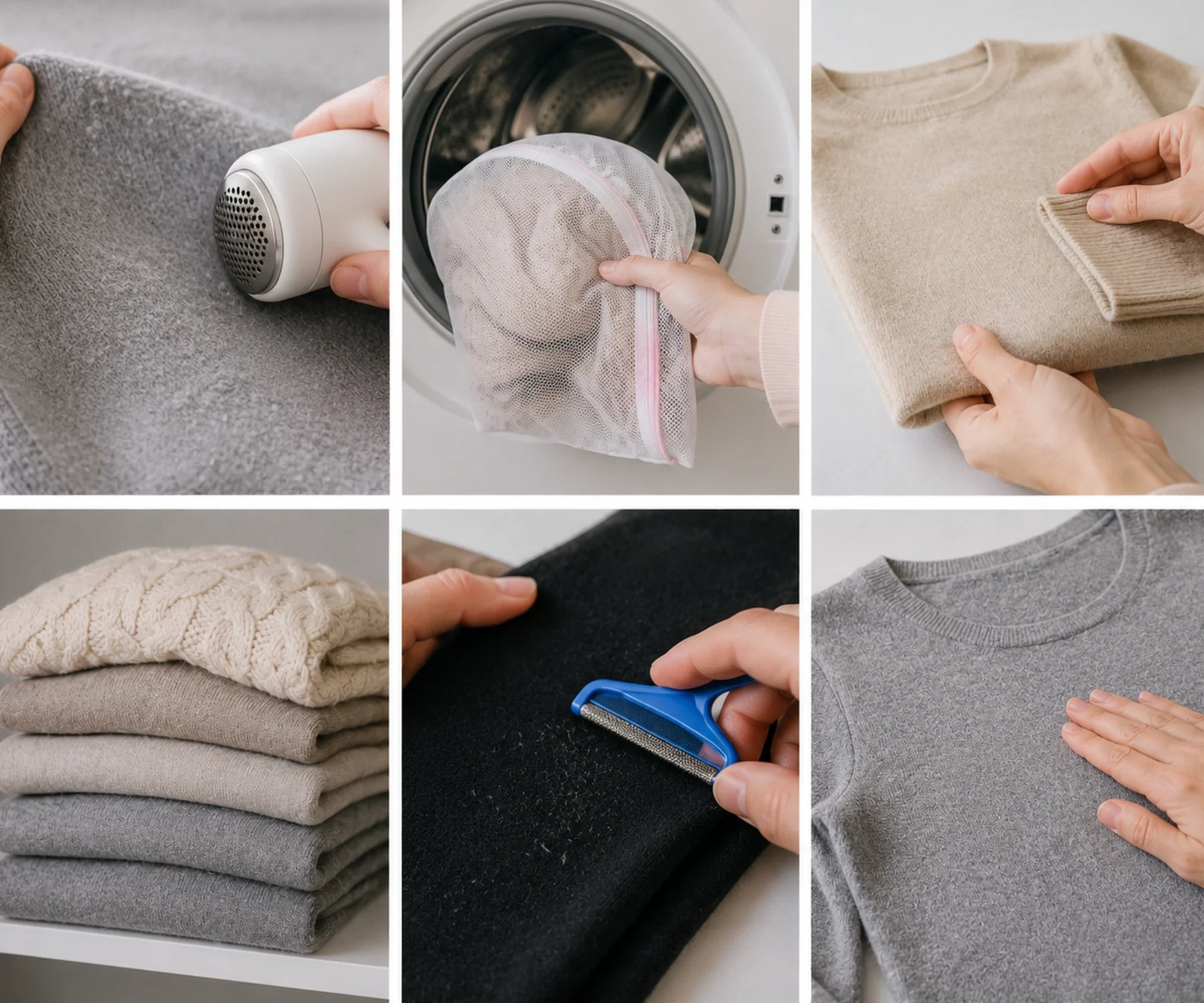
<p>A fine-mesh laundry bag can provide an additional layer of protection for suitable fleece items, especially lightweight garments or pieces with delicate details. Do not pack the bag tightly. The garment still needs enough room for water and detergent to circulate during washing.</p>
<h2>Step-by-Step: How to Wash Fleece in a Washing Machine</h2>
<p>Many everyday fleece garments can be machine washed if their care labels permit it. The following steps provide a general approach for washable fleece, but garment-specific instructions should always take priority.</p>
<ol>
<li><strong>Sort the laundry:</strong> Separate fleece from heavy items, rough fabrics, and garments with exposed zippers or hook-and-loop fasteners. Wash similar colors together to reduce the risk of color transfer.</li>
<li><strong>Turn fleece inside out:</strong> Protect the outer surface by reducing direct contact with other items in the load.</li>
<li><strong>Select an appropriate cycle:</strong> Choose a gentle or delicate cycle if recommended by the garment manufacturer. Avoid unnecessarily aggressive agitation.</li>
<li><strong>Use the recommended water temperature:</strong> Cold water is suitable for many washable fleece garments, but follow the label rather than treating cold water as a universal requirement.</li>
<li><strong>Measure detergent carefully:</strong> Use a suitable detergent and follow its dosage instructions. More detergent does not automatically produce cleaner clothing.</li>
<li><strong>Avoid unsuitable additives:</strong> Do not use bleach, fabric softener, or other laundry additives unless the garment's care instructions permit them.</li>
<li><strong>Remove the garment promptly:</strong> When the cycle ends, take the fleece out rather than leaving it compressed in a damp pile.</li>
</ol>
<h2>Can Fleece Be Hand Washed?</h2>
<p>Hand washing may be appropriate for fleece garments with delicate construction or labels that specifically recommend this method. It can also be useful when a garment needs a more controlled cleaning process.</p>
<p>Fill a clean basin with water at the temperature specified on the care label. Add a small amount of suitable detergent and mix it into the water. Submerge the garment and gently move it through the water without aggressive rubbing or twisting.</p>
<p>Rinse carefully until detergent has been removed. Avoid wringing the fabric, as twisting can place unnecessary stress on the garment. Instead, gently press out excess water and prepare it for drying according to its care instructions.</p>
<h2>How to Dry Fleece Without Damaging It</h2>
<p>Drying is an important part of fleece care because excessive heat can affect synthetic fibers and the fabric's surface. The correct method depends on the garment label.</p>
<h3>Air Drying</h3>
<p>Air drying is a suitable option for many fleece garments. After washing, gently reshape the item and hang it on an appropriate hanger or lay it flat in a well-ventilated area. Avoid placing heavy clips directly on delicate sections if they may leave marks or distort the fabric.</p>
<p>Keep fleece away from direct sources of heat and avoid leaving it in a damp, poorly ventilated space. Allow the garment to dry completely before folding or storing it.</p>
<h3>Using a Clothes Dryer</h3>
<p>Some fleece garments can be tumble dried, while others should not be placed in a dryer. If the care label permits machine drying, select the recommended low-heat or no-heat setting. Remove the garment when it is dry rather than exposing it to unnecessary additional heat.</p>
<p>Do not assume that a high-temperature cycle will make fleece dry faster without consequences. Excessive heat can damage some synthetic materials and may affect the garment's shape or surface.</p>
<h3>Why Ironing Is Usually Unnecessary</h3>
<p>Fleece generally does not need ironing because its surface and construction are not intended to create sharp creases. Direct heat from an iron can damage synthetic fibers. If the care label prohibits ironing, do not attempt to remove wrinkles with an iron. Use the recommended washing, drying, and storage methods instead.</p>
<h2>How to Prevent Pilling on Fleece</h2>
<p>Pilling occurs when loose or broken fibers become tangled into small balls on the fabric surface. It can happen through everyday wear as well as repeated washing. Fleece is not immune to this process, especially in areas that experience frequent rubbing.</p>
<p>To reduce unnecessary pilling:</p>
<ul>
<li>Turn fleece garments inside out before washing.</li>
<li>Keep fleece away from rough fabrics and exposed fasteners.</li>
<li>Avoid overloading the washing machine.</li>
<li>Choose a suitable gentle cycle when the care label permits it.</li>
<li>Use the recommended detergent amount.</li>
<li>Avoid excessive heat during drying.</li>
<li>Reduce repeated friction from bags, straps, and rough surfaces where practical.</li>
</ul>
<p>These steps can help reduce abrasion, but they cannot guarantee that pilling will never occur. Fabric construction and everyday use also influence how quickly pills develop.</p>
<h2>How to Restore Flattened or Matted Fleece</h2>
<p>If the fleece surface looks flattened, gentle brushing may help lift the fibers. First, make sure the garment is clean and completely dry. Use a soft clothes brush and work carefully in the direction appropriate for the fabric's pile.</p>
<p>For high-pile or sherpa-style fleece, a suitable brush may help separate compressed fibers. Avoid hard scrubbing, aggressive scraping, or tools that pull at the fabric. Always test a small, inconspicuous area first.</p>
<p>If the garment has developed pills, a fabric shaver may be suitable for some fleece surfaces. However, not every fleece construction can tolerate shaving. Use a tool only when its instructions and the garment's condition make it appropriate. Stop if the fabric begins to snag, thin, or lose its surface texture.</p>
<h2>How to Remove Lint and Hair from Fleece</h2>
<p>Fleece can attract lint, hair, and other small fibers through static electricity and everyday contact. The amount varies with the fabric, surrounding materials, and environmental conditions.</p>
<p>A lint roller can remove loose surface debris from many fleece garments. Use gentle pressure and avoid repeatedly pulling adhesive material across delicate or high-pile surfaces. A soft clothes brush may be more appropriate for some textured fabrics.</p>
<p>To reduce lint transfer during laundry, avoid washing fleece with towels and heavily lint-shedding fabrics. Clean the washing machine's lint filter or accessible areas as recommended by the appliance manufacturer. Check pockets and remove tissues before starting a load.</p>
<h2>How to Store Fleece Clothing</h2>
<p>Proper storage helps maintain fleece's shape and reduces unnecessary compression. Before storing a garment, make sure it is completely dry. Moisture trapped in folded clothing can contribute to unpleasant odors and other storage problems.</p>
<p>Fold fleece garments neatly and place them in a clean, dry closet or drawer. Avoid placing heavy objects on top of high-pile fleece for extended periods, as prolonged pressure may flatten the surface. If hanging is recommended for a particular garment, use a suitable hanger that supports its shape.</p>
<p>Keep fleece away from direct heat and prolonged sunlight, which may affect some fabrics and colors. Store seasonal items only after they have been cleaned and dried according to their care labels.</p>
<h2>Common Fleece Laundry Mistakes to Avoid</h2>
<ul>
<li><strong>Washing with rough items:</strong> Heavy denim, towels, and garments with exposed fasteners can increase friction.</li>
<li><strong>Using too much detergent:</strong> Excess detergent may not rinse away properly and can leave residue.</li>
<li><strong>Ignoring care labels:</strong> Fleece garments may have different washing and drying requirements.</li>
<li><strong>Using excessive heat:</strong> High temperatures can damage some synthetic fibers.</li>
<li><strong>Applying fabric softener automatically:</strong> Some performance fleece garments may be affected by softener residue.</li>
<li><strong>Wringing wet fleece:</strong> Twisting can place unnecessary stress on the fabric.</li>
<li><strong>Storing fleece while damp:</strong> Garments should be fully dry before being folded or put away.</li>
<li><strong>Using a harsh brush:</strong> Aggressive brushing can pull fibers and make the surface look worse.</li>
</ul>
<h2>When Should Fleece Be Professionally Cleaned?</h2>
<p>Many ordinary fleece garments can be washed at home, but some items have additional features that require special care. A fleece jacket may include waterproof panels, insulated sections, decorative details, or bonded materials. These components can have different cleaning requirements.</p>
<p>Check the label before deciding how to clean the garment. If it says dry clean only, requires a specialist process, or has a construction that you are unsure how to handle, consult a qualified cleaner. It is also sensible to seek professional advice when a garment has a persistent stain that could be made worse by an unsuitable cleaning method.</p>
<p>For routine household clothing, readers can learn more about the basics of a <a href="https://www.jointumble.com/posts/complete-guide-to-wash-and-fold-services-in-san-francisco/">wash-and-fold service in San Francisco</a>. Before including fleece in a regular laundry order, check the provider's accepted-item guidelines and communicate any special care instructions.</p>
<p>People comparing local laundry arrangements can also review information about <a href="https://www.jointumble.com/laundry-service-san-francisco/">laundry service in San Francisco</a> and the <a href="https://www.jointumble.com/locations/san-francisco/">San Francisco laundry service area</a>. Specialty garments or items with restrictive care labels should be confirmed with the provider before being submitted.</p>
<h2>Frequently Asked Questions About Washing Fleece</h2>
<h3>Can fleece go in the washing machine?</h3>
<p>Many fleece garments can be machine washed, but the care label determines whether this is appropriate. Use the recommended water temperature and cycle, and avoid washing delicate fleece with heavy or rough items.</p>
<h3>Should fleece be washed inside out?</h3>
<p>Turning fleece inside out can reduce direct friction on its outer surface during washing. This may help limit pilling and surface wear, particularly when the garment is washed with other items.</p>
<h3>Can fabric softener be used on fleece?</h3>
<p>It depends on the garment. Some fleece products, especially performance garments designed for moisture management, may have restrictions on fabric softener. Follow the manufacturer's care instructions rather than using softener automatically.</p>
<h3>Does fleece shrink in the dryer?</h3>
<p>Some fleece garments may be affected by excessive heat, even though many synthetic fleece fabrics are relatively resistant to ordinary shrinkage. Check the care label and use only the permitted drying method and temperature.</p>
<h3>Why does my fleece jacket attract lint?</h3>
<p>Loose fibers from towels, tissues, and other fabrics can transfer to fleece during washing. Static electricity can also make lint and hair cling to the surface. Separating fleece from lint-shedding items and checking pockets before washing can help.</p>
<h3>How can I make matted fleece soft again?</h3>
<p>For some garments, gentle brushing with a suitable soft clothes brush can lift flattened fibers. Results depend on the fabric's construction and the degree of wear. Avoid aggressive brushing or scraping because it may damage the surface.</p>
<h3>How often should fleece clothing be washed?</h3>
<p>There is no single schedule for every fleece garment. Washing frequency depends on how often it is worn, how much it is exposed to sweat or dirt, and the manufacturer's instructions. Wash when needed rather than using an arbitrary schedule.</p>
<h2>Conclusion</h2>
<p>Fleece clothing can remain comfortable and useful with appropriate laundry care. Its soft surface is affected by friction, heat, residue, and repeated pressure, so washing and drying methods matter. Turning garments inside out, separating them from rough items, using suitable detergent, and following the care label can help reduce avoidable wear.</p>
<p>Air drying is a practical option for many fleece garments, while machine drying should be used only when the label permits it. Gentle brushing may improve the appearance of flattened fibers, but aggressive tools and excessive heat can cause further damage. By understanding the construction of fleece and following garment-specific instructions, clothing owners can make more informed decisions and maintain their garments for longer.</p>
</article>